test
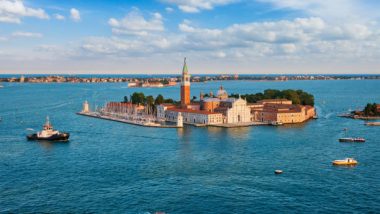


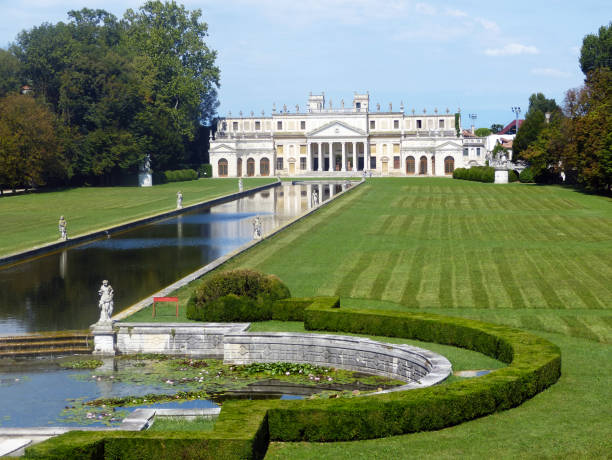

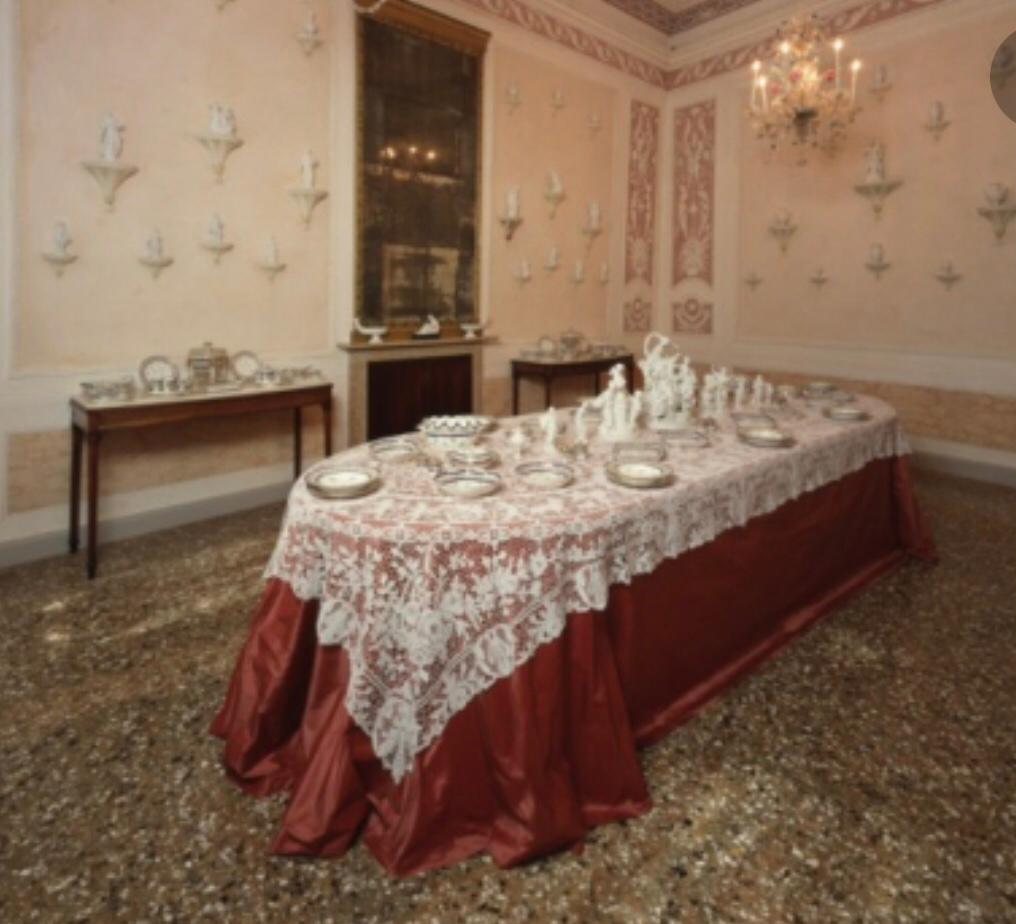

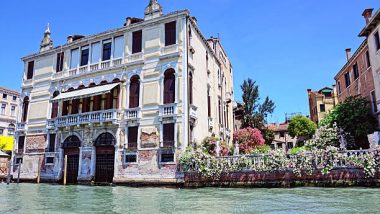
Have you ever thought about the historic palazzi of Venice along the Grand Canal, and wondered how they looked inside? With this tour you can satisfy your curiousity, since we will visit several of...
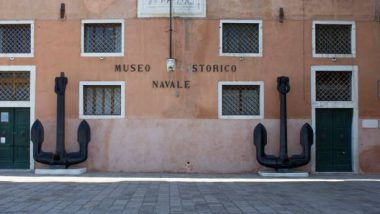
Owned by the Italian Navy, this is their most important museum in Italy. The tour begins with exhibits recalling the maritime achievements of the Serene Republic, but also of the Italian Navy and of...
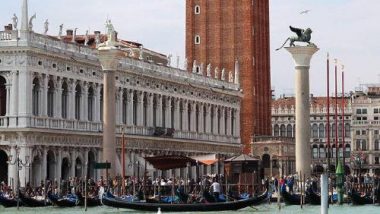
Houses an important collection of classical sculpture, notably Greek, in marble and bronze, also inscriptions, a fine collection of Roman coins and pottery, and Egyptian and Assyro-Babylonian...
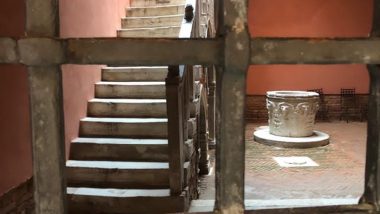
This most popular of Italy’s playwrights, and one of Venice’s most illustrious sons, was born in the elegant gothic Palazzo Centanni in 1707. In 1913 it became a museum celebrating...
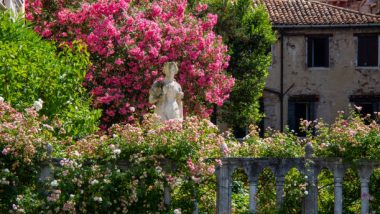
Believe it or not, there are some five hundred gardens, large and small, in the city of Venice, hidden behind those high walls you see along the canals and alleyways. Our visitors will be led to...
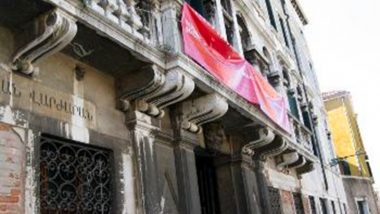
The Serene Republic enjoyed a close partnership with Armenia since the Middle Ages, and the history of an intense relationship through the centuries can be reviewed in visits to the church of Santa...

These are the principal islands of the North Lagoon. Murano is a miniature Venice, famous for its glassworks. We will visit one of these, and watch masters of glassworking in their factory. We go on...
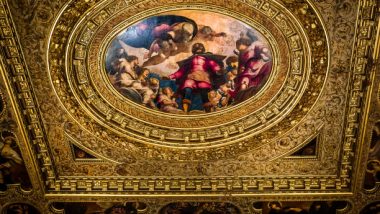
From 1261 “Scuole Grandi”, similar in most respects to mediaeval guilds in Britain, were constituted as lay confraternities which attracted largely middle-class citizens. Each was dedicated to a...