test



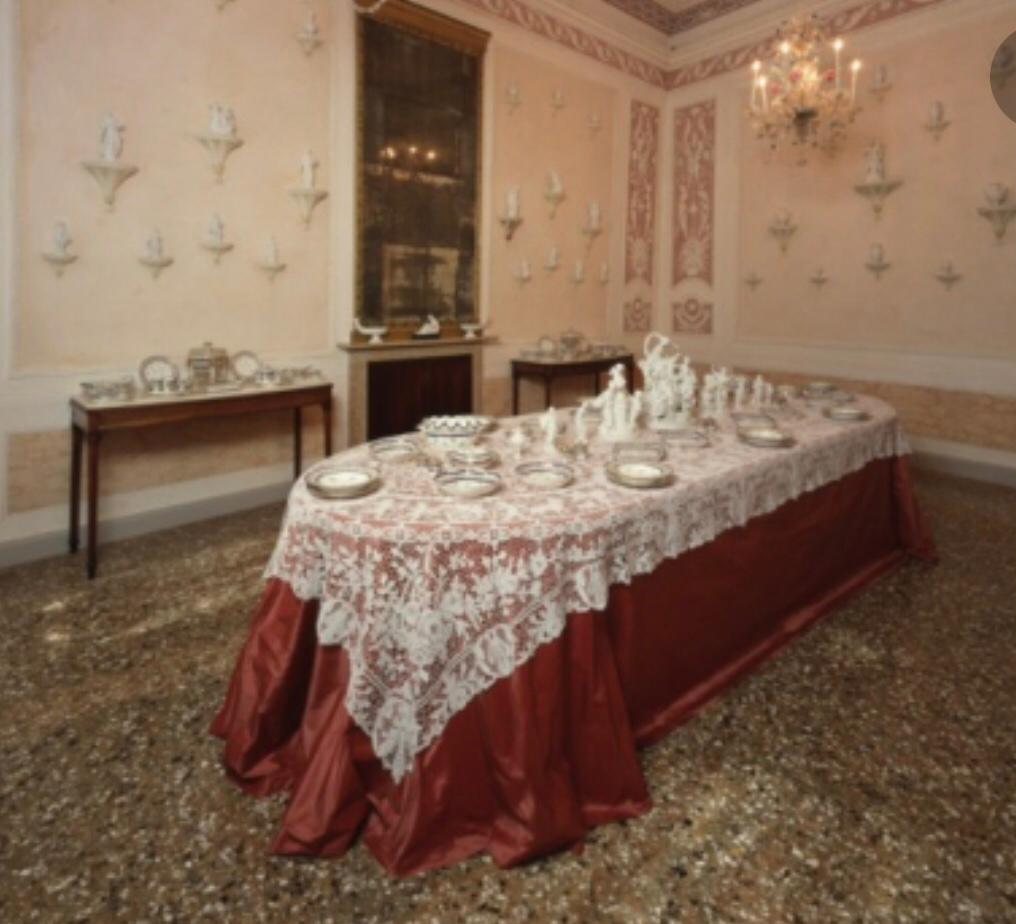
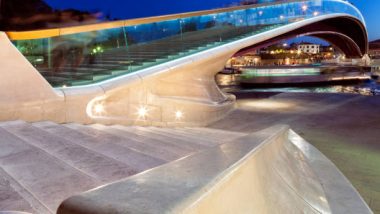
The district first seen by those arriving from the mainland, anciently much involved in the wool trade and where buildings of great quality have arisen. Little-frequented alleys will lead to our...
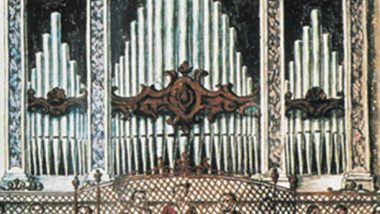
During the life of the Serene Republic there arose special institutions committed to caring for abandoned children, in which orphans were educated in music and song. A visit to the church of the...
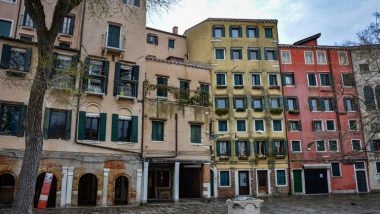
In 1516 the government of the Republic of Venice established a place of enforced residence for Jews, thus instituting the first Ghetto in history. Their segregation served also as protection from...
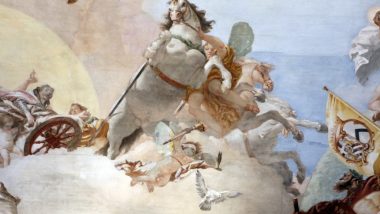
An imposing baroque edifice overlooking the Gran Canal. It was begun by the Bon family on a project by Longhena in 1667 and it was completed a century later by the Rezzonico family on a project by...

The gothic palazzo which houses this museum was acquired early in the 20th century by the painter, set designer and collector Mariano Fortuny to serve as a residence and studio for his work. It was...
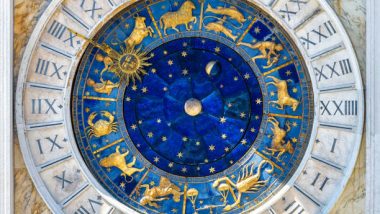
An early Venetian Renaissance building (1496–99), designed by Mauro Codussi. It serves as a triumphal entrance to the Merceria, the long and ancient main street of the city that leads to the...
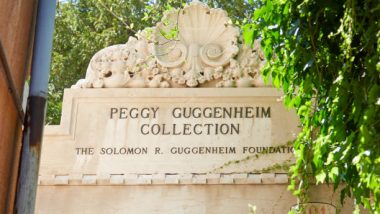
In 1949 the collector of modern American art, Peggy Guggenheim, acquired a palazzo on the Grand Canal which became her home for 30 years. It is now the most important museum in Italy of American and...
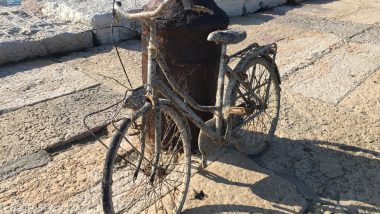
From S. Maria Elisabetta at Lido we cycle down the Grand Avenue to the promenade, along which we will see the famous Hotel des Bains and the Hotel Excelsior, as well as the many art nouveau villas...